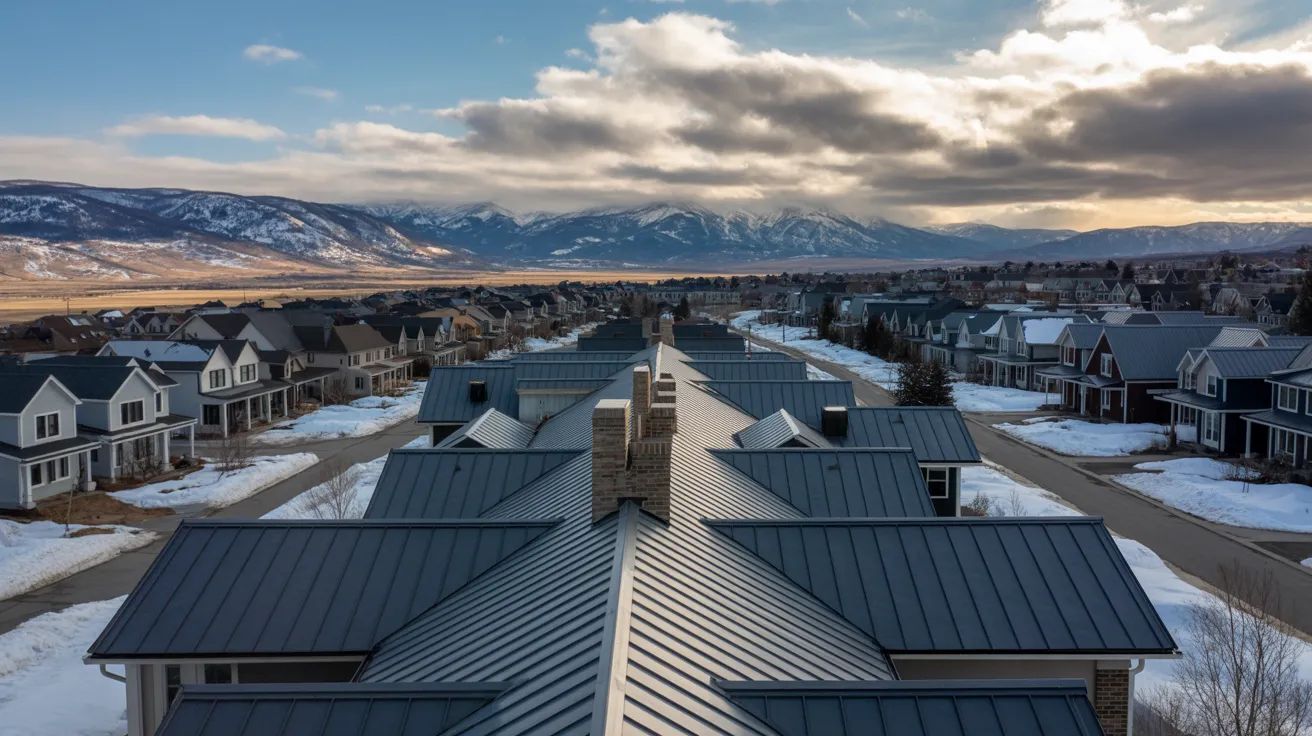
In Great Falls, your roofing must handle extreme sun exposure, strong wind, deep snow, and thermal stress. Metal roof materials typically outperforms standard asphalt by preventing impact, fire, uplift, and weather degradation, and sheds snow with greater efficiency. Monitor for shingle cracks, lifted flashing, leaks, granule deterioration, and roof sags following storms. An experienced skilled roofing contractor will examine the decking, underlayment, ventilation, assess storm-related damage, then recommend repair or replacement according to long-term performance.
Essential Points
- Great Falls roofing must endure extreme sun exposure, high winds, heavy snow, and temperature swings that trigger leaks and cause material breakdown.
- Metal roofing stays intact 40–70 years, withstands wind forces, fire, and impact damage more effectively than traditional asphalt, and clears snow with greater efficiency.
- Asphalt shingles provide cheaper starting prices but deteriorate quickly normally, experiencing curling, crack development, and granule loss in Great Falls seasonal patterns.
- Warning signs encompass broken shingles, flashing gaps, corroded valleys, ceiling discoloration, condensation buildup, and storm-related damage across different roof slopes.
- Great Falls roofing contractors supply inspections, leak diagnostics, storm repairs, and emergency tarping, alongside quality metal roof installation with proper underlayment and flashing.
The Way Great Falls Seasonal Patterns Affects Roofs
Your roof in Great Falls meets strong sunlight, strong wind, hail damage, deep snow, and temperature shifts creating ongoing strain that decreases operational life. Ultraviolet radiation dries roof elements, weakens protective coatings, and accelerates surface degradation. Strong wind lifts perimeter areas, pushes water under sensitive connections, and loosens flashing materials around openings.
Weight from snow places pressure, while ice dams block moisture near eaves and boost risk of leaks. Freeze and thaw cycles widen minor cracks, split seam joints, and deteriorate underlayment. Hailstones dent protective surfaces, crack coating layers, and uncover substrate materials to water intrusion. You furthermore encounter microclimate effects: south-facing slopes warm faster, areas in shade stay wet longer, and windward sections weather more intensely. Frequent inspections help you catch damage from storms soon, safeguard drainage paths and prolong longevity throughout extreme seasonal swings.
Metal Roofing against Shingles in Great Falls
If you assess metal systems against conventional shingles in Great Falls, the selection frequently centers on weather resistance, service life, maintenance, and long-term cost. Metal roofing withstand damage from elements like impact, fire, and wind more effectively than shingles, and they generally endure 40 to 70 years rather than 15 to 30.
In most cases, you'll allocate more in the beginning for metal roofing, however you may replace it more infrequently and complete reduced repairs. Typical shingles amount to less initially and present straightforward repair work, despite the fact that they can become curled, crack, or lose protective granules at a faster rate. Metal roofing systems supports effective snow drainage, which may lower roof snow loads when properly constructed with protective trim. If you are planning for integrating solar power, metal roofing materials generally offers straightforward installation alternatives and fewer necessary penetrations. The best option for you is determined by your financial resources, how many years you plan to stay, and your comfort with maintaining it
Why Metal Roofing Succeeds in Montana
Designed for temperature changes, high-speed winds, abundant snow, and intense solar radiation, metal roof systems performs well in Montana's severe weather. You receive a structure that handles thermal shifts, efficiently sheds moisture, and upholds structural integrity through freeze-thaw phases. Overlapping panels, hidden fasteners, and premium coatings minimize uplift, corrosion, and sun damage.
Additionally, you gain from effective snow release, which reduces static roof loads and helps protect roof structure. Because metal roofing reflects solar radiation, it helps reduce attic heat gain during hot, dry summers. Its low water absorption supports functionality during ice and snow events. Metal roof durability matters in the Montana region, where constant weather exposure can shorten inferior roofing options. With proper underlayment, ventilation, and installation, your roof stays durable, energy-efficient, and serviceable for decades with minimal maintenance overall.
Indicators That Your Roof Needs Repair
Detecting roofing issues in time stops damage to structure, leaks indoors, and costlier replacements. Watch for damaged shingles, peeled flashing, unprotected fasteners, corrosion in valleys, and damaged sealant by vents, skylights, and chimneys. Throughout the interior, stay aware of staining on walls, saturated insulation, mildew, or visible sky through roof decking.
Post-storm, look for signs of impact, moved materials, and absent granules in drainage channels. Monitoring granule deterioration facilitates identifying compromised shingle surfaces before water seeps through the base layer. Insufficient roof ventilation likewise produces concerning signals: overwhelming heat, frosting, moisture problems, and shingles curling too soon. When utility costs climb unexpectedly, excess dampness and thermal buildup could be compromising roof function
Schedule repairs if you see drooping areas, persistent leaks, or unsecured fasteners. Fast intervention preserves decking, insulation, and interior finishes.
Roof Replacement Typically Presents More Sense
You should evaluate replacing your roof when storm damage impacts extensive areas, damages structural components, or surpasses practical repair limits. If you're constantly spending for recurring leaks, patch failures, or frequent service calls, a new roof generally provides superior long-term savings. An aging roof assembly near or past its design life is unable to protect your home reliably, despite isolated repairs can appear feasible.
Major Storm Damage
When a severe storm impacts extensive areas of your roofing, a complete replacement often makes more financial and structural sense rather than repeated repairs. After hail aftermath, wind uplift, or punctures from fallen branches, you may have damaged decking, saturated underlayment, and extensive shingle damage that fixes cannot effectively isolate.
You require a system-level evaluation, not patchwork. Weather damage often damages seals, weakens fastening systems, and forms hidden moisture routes near valleys, vents, and flashing. Following debris removal, standing water may continue damaging sheathing and insulation below the surface. If damage impacts multiple slopes or compromises the roofing system, new installation restores uniform protection, code compliance, and warranty-backed performance. It also allows you upgrade ventilation, underlayment, and impact-resistant materials so your next Great Falls storm won't compromise the same vulnerable areas again.
Ongoing Repair Expenses
Often, recurring leak repairs, shingle replacements, and flashing repairs accumulate higher costs than a planned roof replacement. If you're calling for maintenance each season, you're probably caught in cost cycles that deplete your finances without addressing deck, ventilation, or underlayment problems. Minor repairs may restore temporary function, but they seldom provide system-wide performance.
You need to compare yearly repair costs versus replacement pricing, rising labor costs, and material matching problems. Multiple repairs also generate warranty gaps, especially when several contractors handle separate sections or incompatible products. These gaps may leave you covering costs yourself when new failures emerge near previous repairs. A full replacement provides you one integrated assembly, predictable installation standards, and a cleaner maintenance schedule. In many cases, that reset lowers overall roofing expenses and reduces operational disruption markedly.
Older Roof Assemblies
aging occurs in roof structures, materials lose flexibility, fasteners back out, sealants break down, and drainage routes deteriorate, which raises leak probability and weakens wind and weather defense. Common signs include brittle shingles, split membranes, oxidation at roof openings, and repeated water damage following storms
Roof replacement provides advantage when inspections demonstrate moisture within decking, pervasive granule loss, damaged insulation, or poor ventilation conditions that accelerates heat and condensation issues. You should also factor in regulatory code improvements, attachment robustness, and flashing suitability with current material systems. Total roof replacement facilitates correction of inaccessible defects, boost water movement, and deploy rated assemblies meeting modern specifications. Substantial initial investment reduces crisis service events, minimizes home water damage, and cuts complete lifecycle costs.
Storm Damage Management by Great Falls Roofers
Because severe weather can damage roof structures in moments, Great Falls roofers start damage assessment with a rapid, organized evaluation of shingles, flashing, underlayment, decking, and metal panels to locate both obvious damage and concealed moisture paths.
Following damage inspection, you receive comprehensive records of deterioration scope, water damage extent, and safety risks. Following storm damage assessment, detailed records of damage, moisture, and structural risks is established. Debris clearing begins first to stop ongoing surface degradation and maintain water evacuation. Vulnerable sections receive coverings, holes are patched, lifted shingles are restored, flashing components are secured, and fastener integrity on metal regions is confirmed. If moisture reaches decking, water intrusion testing, delamination evaluation, and fungal risk detection precedes repair authorization. Photo evidence and dimensional records back claim submissions and help focus on vital stabilization rather than aesthetic updates.
Metal Roof Installation Process
Commencing with roof removal and concluding with trim installation, metal roofing setup maintains essential ordering to protect structures and maintain system performance. Old roofing elimination happens initially, structural review occurs, and damaged decking areas get refreshed. Pitch verification, measurement confirmation, ventilation path validation, and fastener location confirmation follows ensuring correct positioning.
Afterward, edge metal, protective moisture barriers, and layer selection are decided by weather patterns, roof pitch, and code rules. Panels commence from a squared reference, clips and fasteners conforming to factory specifications. Using standing seam assemblies, seam legs are locked and stay straight controlling moisture passage and temperature-related growth. To finish, penetration sealing, peak and trim mounting, critical seal application, and quality inspection verify weatherproofing success and aesthetic results.
Roof Options Provided by Great Falls Experts
If you want either a routine repair or a full replacement, Great Falls roof specialists generally perform evaluations, leak diagnostics, storm damage restoration, re-roofing, new roof setup, and maintenance services for residential and commercial premises.
Other services available include flashing updates, ventilation improvements, gutter setup, skylight repairs, and ice dam mitigation. When hail or wind compromise decking, they will execute emergency tarping to limit water penetration when permanent repairs commence. Regarding aging roofing, they assess underlayment, attachment points, penetration areas, and drainage conditions, then suggest focused repairs or full replacement if necessary. Many crews handle asphalt roofing, standing seam roofing, membrane systems, and roofing coatings. They may document losses for claim documentation and plan routine maintenance to identify sealant issues, corrosion, panel looseness, and clogged roof valleys prior to problems reduce your roof's service life.
How to Select the Right Great Falls Roofing Professional
Upon selecting a Great Falls roof contractor, it's important to verify that they maintain correct credentials and carry active liability and workers' compensation insurance. Following this, assess the materials they recommend enabling you to can align material performance, durability, and cost for your project. It's also important to review their experience in the area, given that professionals knowledgeable about Great Falls climate conditions and code standards often create superior results.
Verify Licensing And Insurance
Before you execute any roofing contract in Great Falls, verify that the roofing contractor maintains the necessary Montana license and carries both. Don't rely on verbal assurances. Obtain the contractor's license identification, firm name, and copyright information, then conduct verification by checking state databases and local databases. Verify the company name across all record.
To confirm insurance verification, inquire that certificates be transmitted from the insurance company or agent representative. Examine policy details, effective dates, policy limits, and exclusions. Ensure that workers' compensation insurance includes all worker working
Assess roofing options
Because Great Falls roofs face hail, strong winds, heavy snow, and dramatic temperature changes, you need to compare materials by performance, service life, maintenance demands, and total installed cost—not just the quote cost.
Asphalt shingles tend to provide the most budget-friendly installation costs, still impact resistance ratings, wind warranties, and granule loss matter. Metal involves greater upfront costs, yet it moves snow away, combats fire, and realizes enhanced energy efficiency by way of reflective coatings. Synthetic slate and composite shingles reduce weight loads while increasing impact resistance, notwithstanding material quality varies. Solicit product specifications on Class 4 impact ratings, wind resistance, ice-dam behavior, and anticipated longevity. You should review underlayment choices, ventilation fit, fastening specifications, and maintenance ease. A budget roof grows costly later if it fails prematurely or requires continual storm damage work and replacement requirements.
Evaluate local experience
Material decision plays a role, and the contractor's local reputation frequently drives how well that roof operates in Great Falls. You should check how long a roofer has operated in the area and whether they've managed hail, snow load, chinook winds, and freeze-thaw cycles on similar homes. Local history shows whether crews understand ventilation, ice dam prevention, flashing details, and code requirements specific to Cascade County.
Obtain project addresses from past work, then assess construction quality from ground level. Look at Contractor testimonials for recurring themes: responsiveness, site conditions, warranty handling, and quote fidelity. You should verify material vendor networks and permit familiarity, given that seasoned regional contractors obtain inventory faster and coordinate inspections with fewer delays. A contractor who has proven Great Falls track record lessens installation hazards and strengthens long-term roof performance for your place.
Common Customer Questions
Are Great Falls contractors able to provide Financing choices for replacement Roofs?
Yes, quite a few Great Falls contractors make available payment plans for roof projects. You typically may decide on payment options from your contractor or from a third party. Expect terms based on job cost, finance period, and personal credit standing. Most lending sources call for credit checks before approval, and some present promotional rates for approved borrowers. You must compare rates, charges, initial outlay, and prepayment provisions before signing any roofing financing agreement.
Are roofing estimates in Great Falls typically complimentary?
Yes, roofing estimates in Great Falls are commonly without charge, especially when contractors deliver complimentary inspections for repairs or replacements. You should expect a detailed estimate that details materials, labor, timeline, and cost breakdowns. Some companies may bill for detailed reports, specialty diagnostics, or insurance documentation. Before you schedule, determine what the estimate covers, whether inspections are complimentary, and if extra fees apply to complex roof conditions or access.
What length of time do roofing warranties typically cover in Great Falls?
Like a seatbelt for your roof, warranties in Great Falls usually span 20–50 years for Manufacturer warranties, depending on material and product tier. You'll often get Labor warranties for 2–10 years, though some contractors extend longer coverage. You should confirm what's prorated, transferable, and excluded, especially for wind, ventilation, and installation errors. Read the fine print so you understand exactly what protection you're actually buying before signing.
Can roof work be scheduled during winter in Great Falls?
Yes, you can arrange roof work during winter in Great Falls, but you'll require weather contingencies. You can complete Winter repairs without risk when contractors oversee temperature, wind, ice, and equipment handling limits. You should anticipate delays during storms or extreme cold. Snow clearing often comes first so crews can reach decking, identify leaks, and attach flashing. You'll experience better results when you schedule early and keep flexible with scheduling windows.
Do roofing companies in Great Falls assist with insurance paperwork?
Yes, many roofing contractors in Great Falls help you with claim paperwork after storm or impact damage. You'll often get insurance help through documented inspections, photographic evidence, scope summaries, and estimate comparisons. They may also J T Roofing & Remodeling LLC support claim coordination by connecting with adjusters, detailing repair quantities, and matching line items to policy coverage. You should still check your claim carefully, because your insurance provider authorizes payment terms, depreciation, deductibles, and final settlement amounts.
Conclusion
In Great Falls, your roofing structure has to withstand wind, snow, hail, and rapid temperature changes without deteriorating. That's why picking the roofing contractor matters. Metal roofing systems stands out because it can persist 40–70 years—often twice or thrice longer than asphalt-based shingles. When you respond early on repair or replacements, you safeguard your house, lower extended costs, and boost performance. Connect with Great Falls roofing contractors who recognize local weather patterns and fit systems designed to endure.